Environment
We believe that no business can succeed without an unwavering commitment to respecting the environment and the communities within which it works.
Environment in Nigeria

Environmental Impact Assessment Reports
In Nigeria, we complete Environmental, Social and Health Impact Assessments (EIAs) for all our development projects, in accordance with Nigerian Law. The aim is to reduce the environmental and social impact of our activities as much as possible and look for benefits for affected communities.
Preventing spills
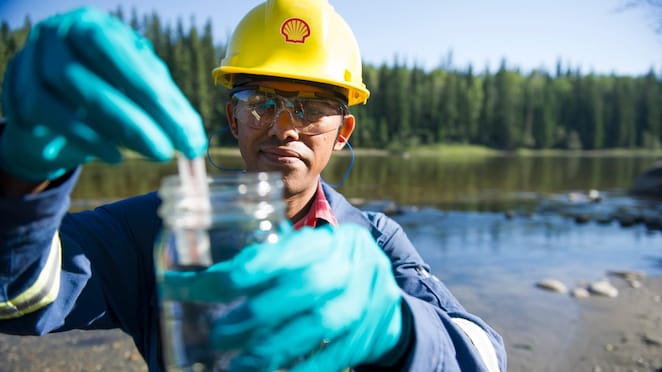
Oil or product spills damage the environment and endanger our employees and neighbouring communities. To avoid spills and leaks of hazardous substances, we work hard to make sure our facilities are well designed, safely operated, and appropriately inspected and maintained. We invest in the equipment and human expertise we need to deal with any spills that happen.
Air quality
Producing and using fossil fuels can affect air quality. We have developed more efficient transport fuels for customers and focused on improving motorists’ fuel efficiency. We also work to reduce air pollution from our operations, including limiting emissions of nitrogen oxide, sulphur dioxide and volatile organic compounds.
Fresh water
We take steps to manage our use of water and apply new approaches and technologies to reduce our use of fresh water. We comply with water regulations wherever we operate and also set our own mandatory water standards, which match best practice for our industry.
We tailor our use of fresh water to local conditions, as water constraints tend to affect people at the local or regional level. In some cases, we use alternatives to fresh water in our operations; these include recycled water, processed sewage water and desalinated water.
Biodiversity
Our projects can affect local biodiversity and dependent communities. We apply stringent standards to help reduce any impacts our operations may have, particularly in critical habitats, which are areas that are rich in biodiversity or under protection.
We work with several conservation organisations, including Earthwatch, the International Union for Conservation of Nature, The Nature Conservancy, and Wetlands International. Our projects with biodiversity partners include working to restore natural habitats and ecosystems close to our operations.
Discover more about our work in biodiversity and our projects to protect the land and sea